dermatology skin lifting
How to Prevent and Treat Wrinkles Without Surgery
Smooth, radiant skin is often seen as a reflection of health and confidence. As we age, however, fine lines and wrinkles gradually begin to appear. This is a natural part of life, but advances in dermatology and aesthetic medicine now make it possible to slow visible signs of ageing and improve skin quality safely and effectively.
Let us understand the causes and types of wrinkles, practical prevention strategies, medical and at-home treatment options, and how Dr. Khuzama Al Falah’s clinic in Riyadh can help you achieve natural-looking results.

In this article
What Are Wrinkles?
Wrinkles are lines, creases, or folds that develop on the surface of the skin as its internal structure changes. With age, skin-cell renewal slows and the dermis, the middle layer of the skin, becomes thinner.
The dermis contains collagen and elastin fibres that give skin its support, firmness, and flexibility. As these fibres gradually break down, the skin loses resilience and wrinkles become more visible.
Some people notice early fine lines in their mid-twenties. They often become more noticeable in the forties and can deepen further with advancing age.
Types of Wrinkles
Not all wrinkles are the same. Identifying the type helps determine the most appropriate treatment.
Dynamic Wrinkles
Dynamic wrinkles can be caused by repeated facial emotions such as laughing, squinting, frowning, and smiling. Typical examples include lines on the forehead, wrinkles around the eyes, and frown lines between the brows.
Static Wrinkles
Static wrinkles remain visible even when the face is fully relaxed. They are often linked to the gradual loss of collagen, elastin, and hyaluronic acid over time.
Wrinkle Folds
Wrinkle folds form as skin loses rigidity and facial volume. Examples include nasolabial folds, or smile lines, which extend from the sides of the nose to the corners of the lips.
Sleep Wrinkles
Sleep wrinkles can result from repeated pressure on the face while sleeping on the side or stomach. Over time, these lines may become more established.
Causes of Wrinkles: Why Does Skin Wrinkle?
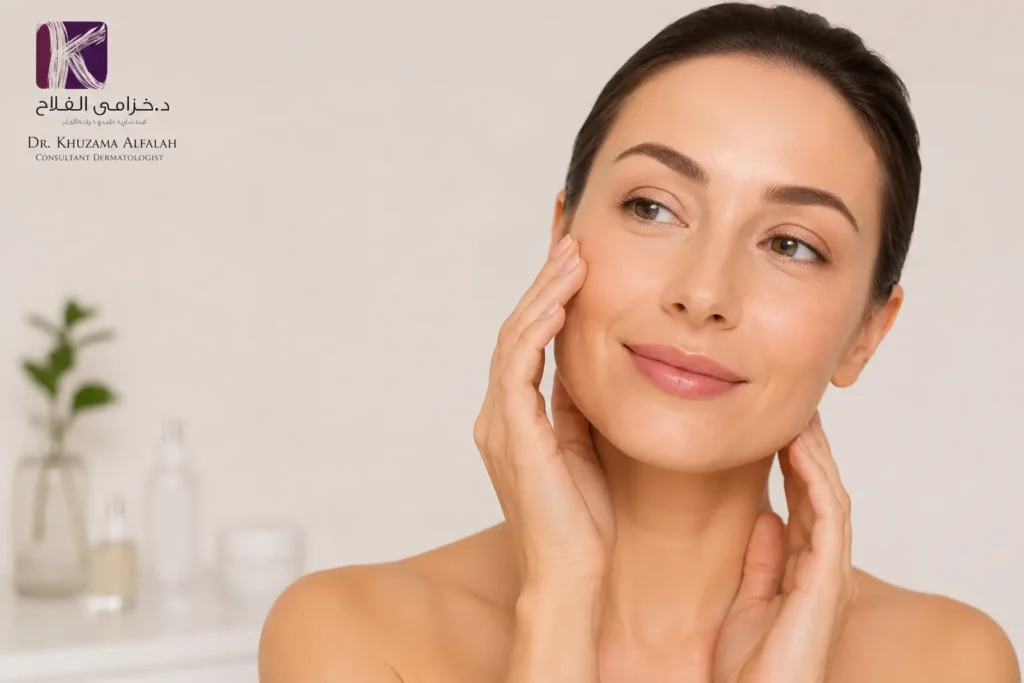
Wrinkles are usually caused by a combination of natural ageing, lifestyle habits, and environmental exposure.
Natural Ageing
Collagen is a structural protein that supports firm, smooth-looking skin. As collagen production gradually declines, the skin becomes thinner, less elastic, and more prone to lines and sagging.
Sun Exposure and Premature Wrinkles
Ultraviolet exposure is one of the leading causes of premature skin ageing. It contributes to photoageing, which is responsible for a large proportion of visible changes in the skin.
UV rays break down collagen fibres and can lead to abnormal elastin production, accelerating the appearance of fine lines, pigmentation, and wrinkles.
Smoking
The toxins associated with smoking can damage skin cells and break down collagen and elastin fibres. This can contribute to dullness, laxity, and more noticeable wrinkles.
Repetitive Facial Expressions
Everyday expressions, such as smiling, frowning, and squinting, create repeated folds in the skin. Over time, particularly when combined with loss of collagen and the effects of gravity, these folds can become more permanent.
Dehydration and Reduced Skin Hydration
Hyaluronic acid levels in the skin begin to decline from early adulthood. As natural hydration decreases, the skin may look less plump and fine lines can become more apparent.
What Causes Wrinkles Around the Eyes?
The skin around the eyes is among the thinnest and most delicate on the body. It also has relatively little underlying fat, which is why lines often appear in this area first.
Between the ages of 25 and 30, most people start to detect wrinkles in their eyes. This sensitive skin is constantly stressed by blinking and facial motions. Crow’s feet may first only show up when smiling, but they eventually show up even when the face is at rest.
Wrinkles become more noticeable and the skin may appear looser or more exhausted when this area loses moisture and volume.
Causes of Premature Wrinkles
Premature wrinkles are not inevitable. Many contributing factors can be managed through consistent skincare and lifestyle choices.
- Frequent sun exposure without sunscreen
- Smoking
- Inadequate sleep and chronic stress
- Lack of daily moisturisation
- Poor nutrition and low antioxidant intake
- Skipping SPF protection
- Regularly sleeping face-down or on the side without adequate support
How to Prevent and treat Wrinkles Without Surgery
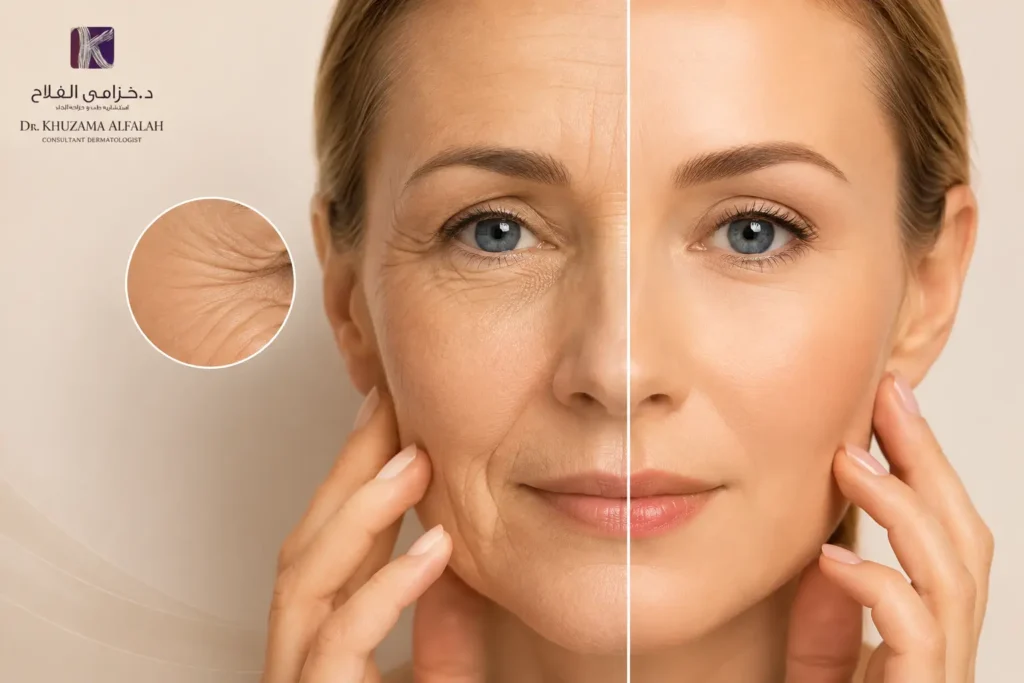
Prevention cannot stop time, but it can significantly slow the development of visible skin ageing.
- Use sunscreen every day – Choose broad-spectrum SPF 30 or higher, even on cloudy days or when indoors near windows.
- Regularly moisturize – To promote moisture and skin-barrier health, look for components like peptides and hyaluronic acid.
- Don’t smoke – Collagen and elastin are protected when tobacco exposure is reduced.
- Make getting good sleep a priority – While you sleep, your skin is renewing itself.
- Consume meals high in antioxidants – Overall skin health is supported by protein, vitamin C, vitamin E, and a diet high in nutrients.
- Stay hydrated – Adequate water intake supports skin hydration from within.
Do Wrinkle Creams and Serums Work on Their Own?
Wrinkle creams and serums can be valuable for prevention, maintenance, hydration, and improving the appearance of mild fine lines. The most useful formulas often contain the following ingredients:
- Hyaluronic acid: Draws moisture into the skin to give it a smoother, more hydrated look.
- Retinol: Over time, retinol promotes collagen synthesis and cell turnover.
- Peptides: Support collagen-focused skincare regimens and the structure of the skin.
- Antioxidants: Ingredients such as vitamin C and niacinamide help defend against environmental stress and sun-related damage.
Topical products work mainly at the surface level. For deeper wrinkles, volume loss, or more established concerns, a professional aesthetic treatment plan may provide clearer and more substantial results.
Hyaluronic Acid for Wrinkles: What Is Its Role?
Hyaluronic acid is one of the most important ingredients used in wrinkle-focused skincare and aesthetic treatment. As the skin ages, its natural levels decline, contributing to dehydration, volume loss, and more visible lines.
Topical hyaluronic acid helps improve hydration and can temporarily soften the look of fine lines. Injectable hyaluronic acid fillers can be used by qualified medical professionals to restore volume in selected areas and soften deeper static wrinkles.
In simple terms, hyaluronic acid is a naturally occurring molecule with a strong ability to bind water. Regular use in a suitable skincare routine can give the skin a plumper, healthier-looking appearance.
Latest Medical Treatments for Wrinkles
When wrinkles become deeper or remain visible at rest, medical aesthetic treatments may offer more targeted and long-lasting improvement, without surgery.
Botox Injections
Botox is commonly used for dynamic wrinkles, including forehead lines, frown lines, and crow’s feet. It works by temporarily relaxing the muscles responsible for these repeated expressions, helping the skin appear smoother while preserving natural facial movement.
Dermal Fillers
Hyaluronic acid dermal fillers are used to restore volume and soften static lines, including smile lines around the mouth. They may also be used to support facial contours in areas affected by volume loss.
Energy-Based Treatments and Laser
Fractional laser, HIFU, and radiofrequency treatments work by stimulating the deeper layers of the skin. They support collagen production and can gradually improve firmness, texture, and the appearance of fine lines.
Why Choose Dr. Khuzama Al Falah for Wrinkle Treatment in Riyadh?
Dr. Khuzama Al Falah is a consultant dermatologist and aesthetic specialist in Riyadh. Her clinic offers a personalised, medically led approach to skin rejuvenation and wrinkle treatment.
- Advanced clinical expertise: Each treatment recommendation is based on a detailed understanding of skin quality and facial anatomy.
- Tailored treatment plans: There is no one-size-fits-all protocol. Your treatment is designed around your features, skin needs, and aesthetic goals.
- Modern, internationally approved technologies: The clinic uses advanced devices and medical aesthetic treatments selected for safety and effectiveness.
- Natural-looking results: The focus is on enhancing your appearance, not changing your features.
- Ongoing care and follow-up: Support continues after treatment to help you maintain your results.
Take the Next Step Toward More Radiant Skin
Age is only one part of your story. Caring for your skin begins with the right plan, at the right time.
Do not wait for fine lines to become deeper. Book a personalised consultation with Dr. Khuzama Al Falah in Riyadh to identify the most suitable prevention and treatment approach for your skin.
Book your consultation today and enjoy more radiant, refreshed, naturally youthful-looking skin.
FAQs
The questions patients ask in consultation
The Endolift procedure is performed under local anaesthesia. So, patients are comfortable and report a mild sensation of warmth or pressure.
The results after a well-performed internal laser facelift last between 2 and 3 years. Longevity depends on age, skin quality, lifestyle, and sun exposure.
Most patients achieve excellent results with a single Endolift session. In some cases, a second session may be recommended after three to six months.
Endolift is generally suitable for a wide range of skin types and tones. A thorough consultation and skin analysis is conducted before recommending any face lifting treatment to ensure the safest, most effective outcome.
Can Wrinkles Be Treated Permanently?
There is no permanent remedy because aging is a continuous process. However, Botox, fillers, and laser procedures can drastically minimize wrinkles and slow the emergence of new lines. Depending on the treatment and your skincare routine, the results can endure for months or even years.
What Distinguishes Hyaluronic Acid Injections from Wrinkle Cream?
Wrinkle serums and creams maintain and prevent wrinkles by acting at the skin’s surface. Deeper wrinkles and volume loss can be improved more quickly and visibly with hyaluronic acid filler injections, which are administered in deeper layers by a trained professional.
When Should I Begin Wrinkle Treatment?
Using sunscreen, staying hydrated, and maintaining a regular skincare regimen can start prevention in your twenties. Depending on personal needs and a professional evaluation, medical treatments are typically taken into consideration starting in the thirties.
Is Botox Suitable for Wrinkles Around the Eyes?
Yes. Botox is one of the most effective options for dynamic wrinkles around the eyes, such as crow’s feet. The procedure is quick, results usually begin to appear within days, and effects commonly last around three to six months.
Are Premature Wrinkles in Your Thirties Normal?
Fine lines in the thirties are common, especially around the eyes and forehead. If wrinkles are deep or widespread at this age, factors such as sun exposure, smoking, stress, and inconsistent skincare may be contributing. A specialist consultation can help create an appropriate plan.
Can Injectable Fillers Be Replaced by Topical Hyaluronic Acid?
Hydration, prevention, and skin upkeep can all benefit from topical hyaluronic acid. Because topical treatments cannot reach the same skin layers in the same way, they cannot be used in place of fillers when there is severe volume loss or deep creases.
Begin Your Graceful Lift Consultation
The clearest next step is a conversation, not a decision.
Send us a message on WhatsApp or book a private consultation. There is no obligation — you will leave with a plan, even if that plan is to wait.
- 60-minute clinical consultation with Dr. Khuzama personally
- Personalised treatment plan and transparent quotation
- Saudi-trained, internationally certified Consultant Dermatologist

Dr. Khuzama Al Falah
Saudi-trained, internationally certified Consultant Dermatologist practising in Riyadh. Dr. Khuzama is recognised for a deliberately conservative philosophy she calls Natural Elegance — an approach to aesthetic dermatology that prioritises restoring features over re-shaping them.
Her practice combines evidence-based dermatology with refined aesthetic judgement. She lectures internationally on minimally invasive lifting and is among the first cohort of certified Endolift practitioners in the Kingdom.
- Consultant Dermatologist
- Saudi Commission for Health Specialties
- Advanced Aesthetic Dermatology Fellowship
- Saudi Commission for Health Specialties
- Certified Practitioner
Meet the author
Every clinical claim has been written, reviewed and signed off by Dr. Khuzama. We do not host sponsored content. Treatment recommendations on this site reflect what we perform in clinic — nothing more, nothing less.
Continue reading
Related from the Journal
A curated selection of clinician-led reading — chosen for patients researching their lifting and skin-tightening options.