
Mole & Skin Lesion Removal In Riyadh
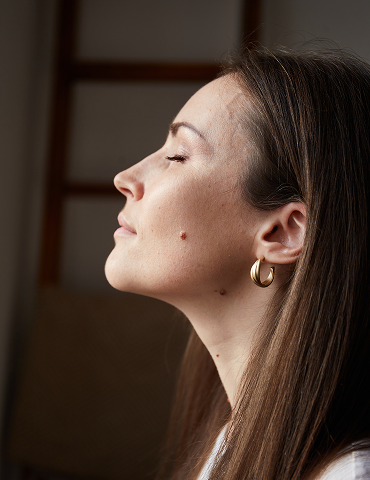
Do you have a small skin mole on your face or body that you think about often?
Maybe it’s in a spot that catches your eye in the mirror, or perhaps you’ve noticed recent changes that make you feel uncertain. It’s completely normal to feel self-conscious or concerned about these little marks. They may rub against clothing, affect makeup application, or simply stand between you and the clear, even skin you desire.
With Dr. Khuzama Al-Falah’s expert mole and skin lesion removal in Riyadh, addressing these concerns becomes a safe, straightforward, and reassuring step toward feeling more confident in your skin.
What is mole & skin lesion removal?
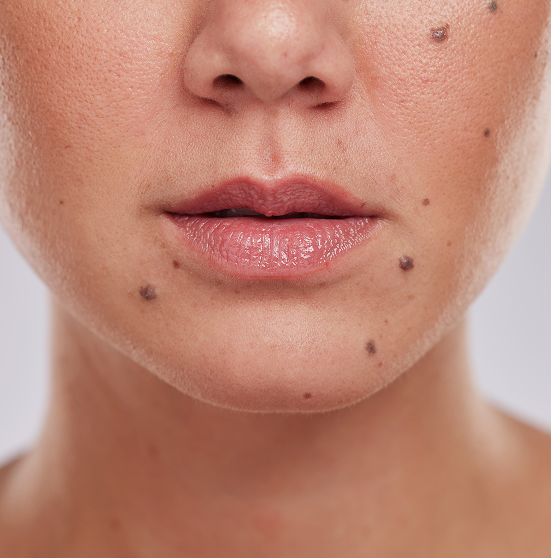
Mole & skin lesion removal is a simple, precise, and safe dermatological procedure to treat unwanted or suspicious lesions.
- Common moles
- Pigmented or raised lesions
- Skin tags
- Warts
- Cysts
- Other benign skin growths
The goal is to remove the lesion precisely while maintaining the natural appearance of the surrounding skin.
Whether done for cosmetic enhancement, comfort, or medical evaluation, mole removal offers a reliable way to achieve smoother, clearer skin with minimal downtime.
Who needs mole and skin lesion removal?
Mole removal surgery is suitable for individuals who have a skin mole or lesion that is causing concern, discomfort, or cosmetic concern.
You may benefit from mole and skin lesion removal if you:
- Have a mole changing in size, shape, or colour
- Experience irritation from a raised lesion rubbing against clothing or jewellery
- Feel self-conscious about the appearance of a mole on your face or body
- Have a mole that bleeds, itches, or becomes easily irritated
- Want clearer, smoother skin for cosmetic reasons
- Have been advised to remove a lesion for medical evaluation
- Prefer a more balanced or refined look in a specific area
If you’re unsure whether a mole needs to be removed, a professional assessment can help you understand what is safe, what is normal, and what might require treatment.
Types of Lesions We Treat
- Common moles
- Flat or raised pigmented lesions
- Skin tags
- Seborrheic keratosis
- Warts
- Cysts
- Cherry angiomas
- Dermatosis papulosa nigra (DPN)
- Benign growths affecting appearance or comfort
What are the benefits of mole removal in Riyadh?
Removing unwanted skin moles provides both cosmetic and medical benefits.
- Improved appearance: Eliminating raised, dark, or asymmetrical moles can create smoother, more even-looking skin.
- Boosted confidence: Removing a mole that draws attention, or affects how you feel in photos or daily life, can enhance self-esteem.
- Comfort and convenience: Raised lesions that catch on clothing, jewellery, razors, or makeup tools can be removed to prevent irritation.
- Clearer skin texture: Many patients enjoy a cleaner, more refined look after removing thick or protruding lesions.
- Better hygiene and grooming: Areas prone to shaving or friction become easier to maintain once the mole is removed.
- Medical peace of mind: Removing suspicious or changing moles can help rule out concerns and ensure long-term skin health.
- Reduced risk of future irritation: Lesions that frequently itch, bleed, or get caught are less likely to cause ongoing problems.
Whether for cosmetic refinement or medical reassurance, mole removal offers a simple, effective path to healthier, more confident skin.
Cosmetic vs Medical Mole Removal
- Cosmetic removal is done for appearance or irritation.
- Medical removal is recommended when a mole shows suspicious changes or discomfort.
Mole removal in Riyadh - What to expect before the procedure?
Your consultation with Dr. Khuzama Al-Falah
Your mole removal journey begins with a clear and comfortable consultation where Dr. Khuzama assesses your concerns and recommends the safest, most effective removal approach. During this appointment, she will:
- Understand your concerns about a mole on face or body
- Examine the size, colour, depth, and characteristics of the lesion
- Evaluate whether the mole is purely cosmetic or requires medical attention
- Recommend the most suitable removal method for your specific skin type and goals
- Explain healing timelines, aftercare instructions, and how to minimize scarring
This thorough evaluation ensures your treatment is safe, precise, and tailored to the look you want, whether you’re removing one small spot or multiple moles on face or body.
How does mole removal work?
Before the procedure, a dermatologist or skin specialist will carefully examine the mole to determine whether removal is necessary. In certain cases, a small biopsy may be performed to rule out any signs of skin cancer or confirm that the lesion is benign.
- Preparation: The skin around the mole is thoroughly cleansed, and a local anesthetic is applied to ensure the procedure is comfortable and pain-free.
- Removal techniques: Depending on the type, size, and depth of the mole, different removal methods may be recommended:
- Shave excision: A fine blade is used to gently shave the mole from the skin’s surface. This technique is ideal for small, raised moles and typically leaves a smooth result.
- Surgical excision (with stitches): The mole is removed with a scalpel along with a small margin of surrounding tissue, and the area is closed with stitches. This method is typically used for larger, deeper, or irregular moles.
- Laser mole removal: Concentrated laser energy is used to break down and remove pigmented or flat moles. This option is often chosen for lesions that lie on the surface and require a non-invasive approach.
Note: The method selected depends on dermatological evaluation and your skin type.
How is the aftercare after mole removal?
Proper aftercare helps ensure smooth healing and reduces the risk of scarring. Here are some simple guidelines to follow after your mole removal procedure:
- Wash the area gently with mild soap and water, then pat it dry.
- Apply the prescribed antibiotic ointment as directed by your dermatologist.
- Keep the site covered with a clean bandage or dressing to prevent infection.
- Avoid direct sun exposure; use protective clothing or a high-SPF sunscreen when outdoors.
- Avoid activities that may cause excessive friction or sweating on the treated area.
- Avoid picking, rubbing, or scratching the site to prevent infection and unwanted scarring.
- Follow all instructions provided by your dermatologist, including any medications or topical treatments.
- Attend all your follow-up appointments to monitor proper healing and to address any concerns promptly.
Advanced Dermatology Technologies Used
To ensure safe, precise, and natural-looking results, Dr. Khuzama Al-Falah uses advanced dermatology devices when treating certain types of moles and skin lesions:
PicoSure Laser
An ultra-fast laser used for treating flat or pigmented lesions. PicoSure targets unwanted pigment with minimal heat, making it a gentle option for suitable mole types and surface-level discolorations.
Excel V+ Laser
A highly precise vascular laser used for red lesions such as cherry angiomas, broken capillaries, and certain blood vessel–related skin spots. It offers targeted treatment with minimal downtime.
Fraxel for Scar Refinement
While not used to remove moles, Fraxel is often recommended after surgical excision to improve skin texture, refine scar appearance, and promote smoother, healthier-looking skin during the healing process.
These technologies allow Dr. Khuzama to tailor each treatment to your specific skin type, mole characteristics, and cosmetic goals—ensuring safe care with optimal aesthetic outcomes.
Consult Dr. Khuzama Al-Falah for mole removal in Riyadh
If you’re considering mole removal in Riyadh or need expert guidance on the safest and most effective way to treat a skin mole, Dr. Khuzama Al-Falah, a consultant dermatologist with 12 years of specialized experience, is here to support you every step of the way.
With her international expertise and patient-centered approach, she will assess your mole or skin lesion, explain the most suitable removal options, discuss the expected results and healing process, and develop a personalized treatment plan tailored to your skin type, concerns, and aesthetic goals.
FAQ’S
How to remove moles safely?
The safest way to remove moles is through a dermatologist who can assess the lesion and choose the right method, such as shave excision, surgical excision, or laser treatment. Avoid home remedies, as they can cause infection or scarring.
Is it safe to remove a skin mole?
Yes, mole removal by a qualified dermatologist is a safe and quick procedure. It is performed under local anesthesia, and most patients experience minimal discomfort and a smooth, uncomplicated healing process.
How do I know if my mole needs to be removed?
You may need mole removal if the mole changes in shape, colour, or size, becomes irritated, or causes cosmetic concern. Dermatologists also recommend removing suspicious moles for medical evaluation.
Does mole removal leave a scar?
Any skin procedure can leave a slight mark, but modern techniques aim to minimize scarring. The size, depth, and type of skin mole determine how subtle the final result will be.