Modern clinical dermatology continues to evolve through cellular innovations that significantly accelerate tissue repair and aesthetic refinement. At our specialised clinic, Microneedling with Exosomes Riyadh represents the pinnacle of non-surgical skin rejuvenation, combining traditional mechanical remodelling with advanced cellular therapeutics.
By delivering highly concentrated signalling factors directly into the deep dermal layers, this advanced aesthetic treatment protocol triggers rapid healing, exceptional structural repair, and lasting youthfulness for diverse skin profiles.
Understanding the mechanism of cellular regeneration treatment in Riyadh
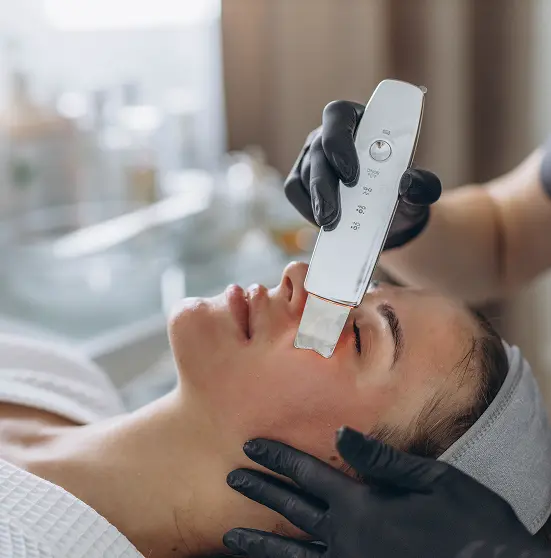
Cellular regeneration treatment Riyadh works by utilising a microneedling therapy system to establish thousands of microscopic channels across the skin surface. These precise entry pathways allow topically applied mesenchymal stem cell exosomes to bypass the outer epidermal barrier, migrating deep into the dermis to stimulate rapid tissue repair and collagen synthesis.
The clinical success of this combined protocol relies heavily on the synergy between physical stimulation and biological communication. Traditional microneedling functions via percutaneous collagen induction (PCI), a process where fine needles create controlled microinjuries / therapeutically induced trauma within the tissue.
This mechanical disruption immediately activates.
The natural healing cascade of your body stimulates localised blood flow and cellular migration. When an exosome regenerative complex is introduced immediately after mechanical treatment, it utilises the enhanced microchannel absorption permeability to flood the deep tissue layers.
Unlike traditional serums that sit on the surface, these nano-sized vesicles penetrate deep into the dermal matrix, delivering a concentrated dose of active molecules directly to damaged cells to accelerate healing and minimise downtime.
The biological power of mesenchymal stem cell exosomes
Mesenchymal stem cell exosomes are nanoscale extracellular vesicles that serve as vital messengers for intercellular signalling / cell-to-cell communication. Derived from source tissues such as adipose-derived stem cell exosomes (ADSC-Exo), these powerful spheres carry a high-bioactive cargo (proteins, lipids, miRNAs) that resets cell behaviour and drives rapid tissue regeneration.
In youthful skin, cells constantly communicate with one another to maintain elasticity, structure, and optimal hydration. As the body ages, this biological dialogue slows down, leading to structural volume loss and diminished cellular repair. The introduction of extracellular vesicles (EVs) effectively restores this vital intercellular signalling / cell-to-cell communication by providing old or damaged cells with the precise instructions needed to rebuild the skin’s structural framework.
The bioactive cargo (proteins, lipids, miRNAs) contained in each vesicle acts at the genetic level to decrease inflammation, block excessive pigment production pathways, and turn on the genes responsible for neocollagenesis (new collagen synthesis). Whether using adipose-derived stem cell exosomes (ADSC-Exo) or customised clinical blends, this targeted stem cell skin therapy is available in Riyadh. The protocol provides a completely natural, comprehensive reset for your skin’s cellular health.
Clinical indications for microneedling with exosomes
Microneedling with exosomes effectively treats multiple clinical dermatological concerns, including deep atrophic acne scars, hyperpigmentation, fine lines, and hair loss. By accelerating cellular replacement, the therapy improves overall skin texture, minimises large pores, restores natural dermal hydration, and safely enhances hair density in thinning areas.
By pairing the mechanical benefits of a microneedling therapy system (MTS) with high-potency biostimulators, Dr Khuzama Al Falah successfully treats several stubborn skin conditions:
- Acne scar treatment: The protocol breaks down rigid fibre bands within deep atrophic acne scars, replacing tethered tissue with a smooth, newly generated collagen matrix.
- Pigmentation treatment: Active botanical and cellular signalling targets melanocytes to address postinflammatory hyperpigmentation (PIH) and improve the global Melasma Area and Severity Index (MASI / mMASI) scores.
- Anti-ageing treatment: Speeds up neocollagenesis (new collagen synthesis) to reverse visible skin elasticity and laxity, leading to profound, long-term wrinkle reduction.
- Pore reduction therapy: Tightens the supporting structural walls surrounding empty follicular openings, delivering excellent facial pore reduction results.
- Skin hydration treatment: Deeply reinforces the internal lipid barrier to retain healthy cellular moisture and enhance the skin’s natural radiance.
- Androgenetic alopecia/hair density improvement: When applied directly to the scalp, the vesicles revive dormant hair follicles, prolonging the active growth phase and increasing hair diameter.
Comparing advanced skin rejuvenation modalities
Choosing the right clinical treatment plan depends heavily on your specific skin history, lifestyle parameters, and aesthetic goals. Reviewing how exosome therapy compares to traditional autologous procedures helps clarify expected healing windows and overall functional outcomes.
Treatment parameters | Traditional Microneedling (MTS) | Microneedling PRP exosomes Riyadh | Advanced Microneedling with Exosomes |
Primary mechanism | Isolated mechanical trauma to induce standard healing. | Autologous growth factors combined with cellular signalling. | Pure mesenchymal stem cell exosomes with dense bioactive cargo. |
Collagen induction | Standard percutaneous collagen induction (PCI) rates. | Enhanced neocollagenesis through platelet and vesicle synergy. | Accelerated neocollagenesis (new collagen synthesis) via targeted signalling. |
Typical downtime | 3 to 5 days of skin redness and mild peeling. | 2 to 3 days of localised tissue settling. | 1 to 2 days due to rapid anti-inflammatory signaling. |
Targeted results | Basic skin texture improvement. | Advanced scarring, lines, and hair density improvement. | Maximal atrophic acne scars, PIH, and pore reduction therapy. |
What to expect during your clinical treatment journey?
The treatment process involves an initial deep cleansing, application of a high-strength topical numbing cream, precise mechanical microneedling, and immediate application of the exosome regenerative complex. While minor transient erythema and oedema occur right after the session, your skin will heal rapidly within forty-eight hours.
Your session begins with a detailed skin analysis by Dr Khuzama Al Falah to calculate the ideal treatment depth for your specific aesthetic goals. After the skin is completely numb, the specialised microneedling therapy system (MTS) is gently guided across the targeted areas, opening up thousands of clear microchannels without scratching the surface.
The concentrated mesenchymal stem cell exosomes are applied immediately and are absorbed instantly into the deep layers. While you will experience transient erythema and oedema right after treatment, the potent anti-inflammatory properties of the vesicles ensure your skin settles much faster than with traditional treatments, paving the way for visible skin texture improvement and a healthy glow within a few days.
Transform your skin at the cellular level.
If you are ready to address stubborn acne scars, reverse visible signs of ageing, or dramatically refine your skin texture with the power of advanced cellular science, Dr Khuzama Al Falah is here to guide you. Our personalised, state-of-the-art treatments are designed to safely deliver radiant, long-lasting, and completely natural-looking results tailored to your unique skin profile.
Take the first step toward complete skin renewal today. Schedule your private, in-depth consultation at our Riyadh clinic and discover a customised approach to facial rejuvenation.
Frequently Asked Questions
While a single session delivers noticeable improvement in skin texture, most patients with deep atrophic acne scars achieve optimal, long-lasting results after a series of 3 to 5 treatments spaced roughly 4 to 6 weeks apart.
Due to the rapid cellular signalling of the extracellular vesicles (EVs), the typical recovery window is highly accelerated. The transient erythema and oedema usually fade within 24 to 48 hours, allowing you to return to your normal skincare routine quickly.
Yes, this protocol is highly safe and effective for treating postinflammatory hyperpigmentation (PIH) and improving the Melasma Area and Severity Index (MASI/mMASI) scores across all skin types, as it delivers thermal-free healing without triggering melanocyte overactivity.
An immediate boost in skin hydration treatment radiance is common within the first week. However, because neocollagenesis (new collagen synthesis) takes time, the most significant updates in skin elasticity and laxity develop gradually over 2 to 3 months.
The Microneedling PRP exosomes Riyadh combination delivers excellent results by pairing autologous blood growth factors with pure exosomes. Dr Khuzama Al Falah will evaluate your specific skin concerns to recommend the most effective protocol during your initial consultation.
Yes, achieving facial pore reduction and deep wrinkle reduction can be integrated smoothly into a broader routine. However, you should avoid using aggressive home chemical peels or retinoids for at least one week following your clinical procedure.
This cellular regeneration treatment Riyadh should be avoided by individuals with active skin infections, open facial wounds, unmanaged diabetes, or those currently undergoing active oncological treatments. A full medical history check is completed before your session.
The microneedling system creates microscopic pathways across the scalp, allowing adipose-derived stem cell exosomes (ADSC-Exo) to reach the hair roots. The active cargo stimulates cellular communication, driving hair density improvement over time.