acne scar treatment
7 Effective Methods to Get Rid of Acne Scars
A Dermatologist's Guide to Your Options in Riyadh
Acne scars aren’t just a physical reminder of past breakouts — they often affect how you feel about your appearance and confidence. If you’ve struggled with acne, you know that even after the breakouts clear, the scars remain, sometimes becoming more noticeable as you age or your skin changes. Many people search desperately for solutions, trying store-bought creams, at-home treatments, and home remedies, only to find that acne scars don’t improve without professional intervention.

The Real Impact of Acne Scars: Understanding Your Frustration
The reality is this: acne scars are a structural problem, not just a surface-level one. Once acne damages the deeper layers of your skin (the dermis), your skin’s natural healing process creates scar tissue that’s different from your surrounding skin. That’s why getting rid of acne scars requires treatments that go beyond topical creams and lotions.
If acne scars have been affecting your confidence, you’re not alone. You may have tried different products or treatments and still feel frustrated when you see the marks in the mirror or in photos. Acne scars can often be made less noticeable with the right professional treatment. However, how much they improve depends on factors such as their type, depth, severity, and the treatment approach used. Understanding what is causing your scars and which treatments are suitable for your skin is an important first step.
Why Acne Scars Are Hard to Treat (And What That Means for Your Solution)
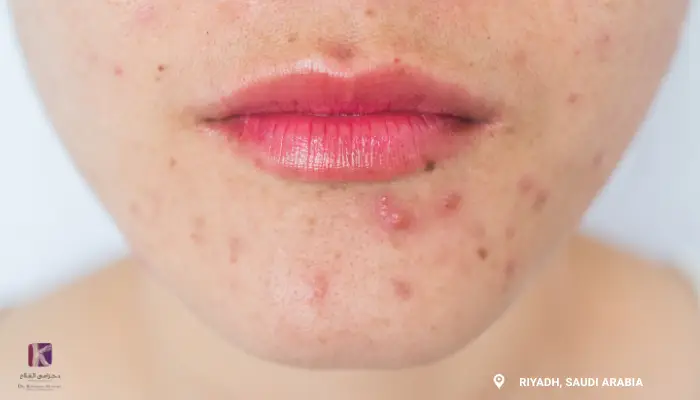
Before diving into solutions, it helps to understand why acne scars exist in the first place. When acne is severe or inflammatory, it damages collagen in your skin. Your body tries to repair this damage, but it doesn’t always rebuild the collagen evenly. This uneven healing creates three main types of acne scars:
- Atrophic scars (depressed scars that look like indentations) are the most common type
- Hypertrophic scars (raised scars from excess collagen buildup) are less common
- Ice pick scars (deep, narrow pits) are the most difficult to treat
Acne scars can affect the deeper layers of the skin, especially when collagen is damaged during healing. Deeper or long-standing scars may not fade on their own, while skincare products may have limited effects on structural scarring.
Treatment depends on the type and severity of the scar. A dermatologist may recommend treatments that stimulate collagen, resurface the skin, or release scar tissue to improve its appearance.
7 Proven Methods to Get Rid of Acne Scars
1. Laser Treatment for Acne Scars: The Gold Standard
Different types of laser treatments can improve acne scar appearance by working on the skin in different ways. The most suitable option depends on the scar’s type, depth, and severity, along with factors such as your skin type.
The CO2 Fractional Laser is a type of deep laser resurfacing which removes the damaged layers of the skin while at the same time stimulating collagen remodeling. It can be used to treat deeper acne scars, as the laser produces microscopic areas of controlled heat that trigger the skin’s healing response and promote the formation of new collagen.
Fraxel Laser (fractional laser) is gentler than CO2 but still highly effective. It works similarly by creating micro-injuries that prompt collagen regeneration, with less downtime than traditional CO2 treatments.
Pico Laser treatments use ultra-short pulses to address pigmentation issues that often accompany acne scars, making your scars less visible even as they improve structurally.
The advantage of laser treatment is that results are often dramatic and visible, though multiple sessions are typically needed. Downtime varies — some lasers require a week or two of recovery, while others have minimal downtime.
2. Microneedling: Stimulating Your Skin's Healing Response
By creating tiny, controlled punctures in the skin, microneedling triggers the healing process and encourages new collagen formation. It may help reduce the appearance of mild to moderate atrophic acne scars and is generally less intensive than some laser treatments, making it suitable for many skin types.
RF Microneedling (Radiofrequency Microneedling) combines microneedling with radiofrequency energy for deeper collagen remodeling. Treatments like Morpheus8 are particularly effective because they reach deeper layers of skin, improving both surface texture and deeper scar depressions.
Microneedling becomes even more effective when combined with advanced technologies such as exosome therapy or growth factors, since these additions speed up skin healing and produce results that go beyond those achieved with microneedling alone.
Microneedling is attractive because it has minimal downtime — you might have slight redness for a day or two — and it works across different skin types, including darker skin tones that can be sensitive to certain lasers.
3. Chemical Peels for Acne Scars
Chemical peels work by means of controlled acids to get rid of the outer layer of damaged skin, thus exposing the smoother skin beneath. In the case of acne scars, more extensive peels are generally required in order to reach the scar tissue. Different peel strengths serve different purposes:
- Light peels refresh the surface and are good for mild scarring
- Medium peels penetrate deeper and improve moderate scars
- Deep peels address significant scarring but require more recovery time
Chemical peels work at their most effective when used in conjunction with other treatments and are usually included as part of an overall strategy for reducing scars rather than being used on their own.
4. Dermal Fillers: Immediate Improvement
If you want to achieve noticeable results right away, dermal fillers can make depressed acne scars less obvious by adding volume from below. The available types are hyaluronic acid fillers (which are temporary) and collagen-stimulating fillers such as Sculptra (they provide longer-lasting results since they cause your body to produce its own collagen).
The key advantage is instant gratification: you leave the appointment with improved scars. The downside is that most fillers require touch-ups every few months or a year, depending on the type. However, collagen-stimulating fillers provide results that last longer because they address the underlying collagen loss. Fillers are most effective in the case of depressed scars and can be used in combination with other treatments to achieve the best results.
5. Subcision: Breaking Up Scar Tissue
Subcision is a minimally invasive procedure used to treat depressed acne scars, particularly rolling scars. A dermatologist uses a specialised needle to release the fibrous bands beneath the scar that pull the skin downward. Once these bands are released, the depressed area can lift and become more level with the surrounding skin.
The procedure is minimally invasive, has minimal downtime, and works best when combined with other treatments like laser or microneedling for comprehensive scar improvement.
6. Collagen-Stimulating Injectables
Beyond fillers, treatments like Sculptra, Radiesse, and polynucleotides stimulate your body to produce its own collagen over time. These work gradually — you’ll see improvements over weeks and months as collagen builds up — but the results last much longer than temporary fillers.
Polynucleotides (including PDRN) are particularly promising newer treatments that repair damaged skin at the cellular level and stimulate collagen regeneration.
Not sure whether a collagen stimulator or a filler suits you better? Read our guide on Sculptra vs. fillers.
7. Combination Treatments: Getting Better Results Faster
Many dermatologists recommend combining multiple treatments because they work on different aspects of scar tissue. For example:
- Laser resurfacing + subcision to improve the skin’s surface while releasing fibrous scar tissue underneath.
- RF microneedling + collagen-stimulating injectables to support collagen production and improve the texture of acne scars over time.
- Chemical peels + dermal fillers to improve uneven skin texture and add volume to selected depressed scars, with results that may develop and last for different periods depending on the treatment.
Combination approaches often deliver better results than single treatments because they address scars from multiple angles.
Treatment Comparison Table: Which Method Is Right for Your Scars?
Treatment | Best For | Downtime | Results Timeline | Sessions Needed |
CO2 Fractional Laser | Severe, deep scars | 7-14 days | 3-6 months | 1-3 |
Fraxel Laser | Moderate scars | 3-5 days | 2-4 months | 3-5 |
RF Microneedling | Mild to moderate scars | Minimal (1-2 days) | 2-3 months | 3-4 |
Chemical Peels | Mild to moderate scars | 3-7 days | 2-4 weeks | 3-6 |
Dermal Fillers | Depressed scars (immediate) | None | Immediate | Every 6-12 months |
Subcision | Rolling/wave-like scars | 1-3 days | 1-3 months | 1-2 |
Collagen Stimulators | All scar types (gradual) | Minimal | 3-6 months | 1-3 |
How to Choose the Right Treatment for Your Acne Scars
Selecting the best acne scar removal treatment depends on several factors:
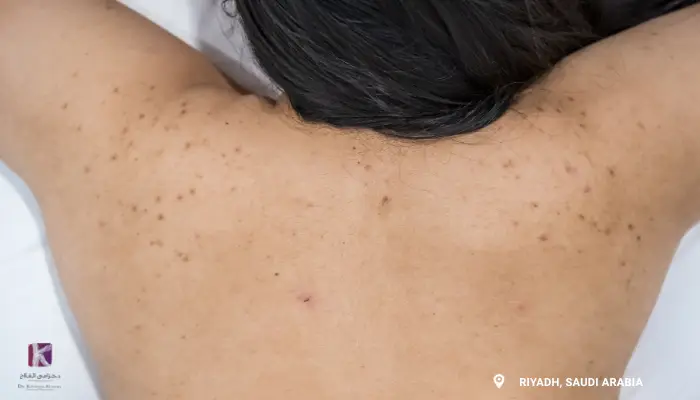
Your Scar Type: Treatment depends on the type of acne scar you have. Atrophic scars may improve with treatments such as laser resurfacing or microneedling, while rolling scars often respond well to subcision because it releases the fibrous bands beneath the skin. Hypertrophic scars are raised rather than depressed and usually require a different treatment approach.
Scar Severity: The severity and depth of your scars will influence the kind of treatment that is suitable; in the case of mild scarring, it may be possible to achieve improvement using chemical peels or less-intensive laser therapies, while more severe scars might need treatments such as a fractional CO₂ laser therapy or a combination of different procedures.
Your Skin Type: Your skin type is also an important consideration, particularly when choosing a laser treatment. CO₂ laser can carry a higher risk of pigmentation changes in darker skin tones, so treatment settings and techniques need to be carefully selected. Microneedling and RF microneedling may be suitable for a broad range of skin types when performed appropriately.
Your Timeline: Different treatments produce results at different rates. Dermal fillers can provide an immediate improvement in the appearance of selected depressed scars, while collagen-stimulating treatments usually require more time and often involve a series of sessions.
Your Downtime Tolerance: Recovery time depends on the treatment, but your dermatologist can help you plan around your daily routine. Some options involve little downtime, while others may cause temporary redness, swelling, or peeling. Having a clear idea of what to expect can help you feel more prepared for recovery and more at ease with your treatment plan.
Your Budget: Treatment costs depend on the procedure, number of sessions, scar type, and extent of treatment. During your consultation, a dermatologist can explain the expected number of sessions and discuss which options are appropriate for your scars and budget.
Why Professional Treatment Matters in Riyadh
If you’ve been looking into acne scar removal, you may have come across home remedies or at-home devices. These may help with overall skin appearance in some cases, but their effects on established acne scars are often limited. Professional treatments can target scar-related changes at different depths of the skin, depending on the type and severity of the scarring.
A consultation with an experienced dermatologist who specializes in acne scar treatment is invaluable. During this appointment, your dermatologist will:
- Assess your specific scar type and depth
- Evaluate your skin type and healing capacity
- Discuss realistic outcomes based on your individual situation
- Recommend a personalized treatment plan (often combining multiple methods)
- Explain what to expect before, during, and after treatment
- Address your concerns and answer your questions
This personalized approach is what separates professional results from disappointing DIY attempts.
What to Expect: The Journey to Clearer Skin
Most treatments for acne scars involve having several sessions scheduled weeks or months apart. Your skin improves gradually as the collagen is rebuilt and the surface texture becomes smoother. While some people notice great results, others have a slow but noticeable improvement.
Realistic expectations are important. Acne scars can be significantly improved or minimized, but deeply pitted scars might not be 100% erased; instead, they become much less noticeable. Many people find that after professional treatment, their scars are visible only under certain lighting or upon very close inspection. Recovery varies by treatment. Most people can return to normal activities quickly, though sun protection and specific skincare become important during healing. Our guide to post-laser skin recovery explains how to support sensitive skin after treatment.
Taking the Next Step
If you’ve spent years feeling self-conscious about acne scars, know that you have real options. The treatments available today are far more effective than what was possible even a decade ago. Whether your scars are mild, moderate, or severe, there’s a pathway to significant improvement.
The first step is to speak with a dermatologist who can assess your scars, skin type, and individual concerns. From there, they can recommend a treatment plan that fits your goals, schedule, and budget. You don’t have to keep feeling self-conscious about acne scars; with the right approach, their appearance can often be improved.
FAQs
The questions patients ask in consultation
The effect varies depending on the type of treatment; fillers give immediate results whereas with laser therapy and microneedling noticeable improvements are seen after 4 to 8 weeks and further improvement continues over several months as collagen regenerates.
Acne scars won’t come back after a successful treatment, but since new acne can lead to new scars it is important to manage any active breakouts.
Most of the treatments cause only a small amount of discomfort. It is usual to apply a numbing cream beforehand, and contemporary methods are designed to be as comfortable as possible. During your consultation with your dermatologist, they will talk to you about the pain relief options.
The cost depends on the type of treatment selected, the extent of the scarring and the number of sessions required. Since many dermatologists provide package rates for several sessions, a consultation will give you the exact pricing for your case.
It is generally advisable to deal with active acne first and then treat the scars once the skin has cleared; treating the scars when acne is still present can be less effective and might complicate the treatment.
Dermal fillers give the quickest results (they can be seen immediately or within a few days). Laser treatment and microneedling usually see results after 4 to 8 weeks, with further improvement occurring over several months.
Although at-home treatments can help to maintain good skin health, they are unable to deal with the structural damage caused by acne scars and so professional treatments are needed if any significant improvement of the scars is to be achieved.
How long does it take to see results from acne scar treatments?
The effect varies depending on the type of treatment; fillers give immediate results whereas with laser therapy and microneedling noticeable improvements are seen after 4 to 8 weeks and further improvement continues over several months as collagen regenerates.
Can acne scars come back after treatment?
Acne scars won’t come back after a successful treatment, but since new acne can lead to new scars it is important to manage any active breakouts.
Is acne scar treatment painful?
Most of the treatments cause only a small amount of discomfort. It is usual to apply a numbing cream beforehand, and contemporary methods are designed to be as comfortable as possible. During your consultation with your dermatologist, they will talk to you about the pain relief options.
How much does acne scar removal treatment cost in Riyadh?
The cost depends on the type of treatment selected, the extent of the scarring and the number of sessions required. Since many dermatologists provide package rates for several sessions, a consultation will give you the exact pricing for your case.
Can I treat acne scars while my acne is still active?
It is generally advisable to deal with active acne first and then treat the scars once the skin has cleared; treating the scars when acne is still present can be less effective and might complicate the treatment.
Which treatment works fastest?
Dermal fillers give the quickest results (they can be seen immediately or within a few days). Laser treatment and microneedling usually see results after 4 to 8 weeks, with further improvement occurring over several months.
Are at-home treatments effective for acne scars?
Although at-home treatments can help to maintain good skin health, they are unable to deal with the structural damage caused by acne scars and so professional treatments are needed if any significant improvement of the scars is to be achieved.
Begin Your Graceful Lift Consultation
The clearest next step is a conversation, not a decision.
Send us a message on WhatsApp or book a private consultation. There is no obligation — you will leave with a plan, even if that plan is to wait.
- 60-minute clinical consultation with Dr. Khuzama personally
- Personalised treatment plan and transparent quotation
- Saudi-trained, internationally certified Consultant Dermatologist

Dr. Khuzama Al Falah
Saudi-trained, internationally certified Consultant Dermatologist practising in Riyadh. Dr. Khuzama is recognised for a deliberately conservative philosophy she calls Natural Elegance — an approach to aesthetic dermatology that prioritises restoring features over re-shaping them.
Her practice combines evidence-based dermatology with refined aesthetic judgement. She lectures internationally on minimally invasive lifting and is among the first cohort of certified Endolift practitioners in the Kingdom.
- Consultant Dermatologist
- Saudi Commission for Health Specialties
- Advanced Aesthetic Dermatology Fellowship
- Saudi Commission for Health Specialties
- Certified Practitioner
Meet the author
Every clinical claim has been written, reviewed and signed off by Dr. Khuzama. We do not host sponsored content. Treatment recommendations on this site reflect what we perform in clinic — nothing more, nothing less.
Continue reading
Related from the Journal
A curated selection of clinician-led reading — chosen for patients researching their lifting and skin-tightening options.